The role of a well-functioning air conditioning (AC) unit in maintaining comfortable indoor living is crucial, especially during the sweltering heat of summer months. Regular maintenance and timely repairs are vital to ensure that the system runs efficiently and does not break down when needed the most. This article provides an extensive view into the process of AC repair, exploring common problems, steps involved, preventive measures, and considerations for cost and replacement.
AC repair is not just about fixing a problem when it arises; it involves understanding the entire system to prevent future issues. By knowing what an AC repair entails, homeowners can be better prepared to manage their systems effectively.
Through this article, readers will be equipped with crucial knowledge regarding symptoms, repair processes, costs, and comparisons between repair and replacement options.
Getting to grips with fundamental maintenance topics and repair processes can enhance the longevity and efficiency of an AC system. This comprehensive guide will illuminate the intricacies of how professionals execute repairs and what owners can do to proactively maintain their ACs. Awareness of these points can lead to more informed decisions concerning AC units and smarter management of both performance and budget.
1. What are the Common Signs That Your AC Needs Repair?
1.1 Unusual Noises
Air conditioning units are generally engineered to operate quietly, so when unexpected noises arise, it often signals a problem. Sounds such as banging could indicate a loose part within the unit, clanking may suggest parts colliding, while hissing could mean a refrigerant leak or air escaping. These noises not only disrupt the peaceful ambiance of your home but also hint at underlying issues requiring immediate attention. Understanding these auditory signals is crucial for early diagnosis and preventing more severe mechanical failures. Addressing unusual noises promptly can save significant repair costs and enhance the efficiency and lifespan of the unit.
Ignoring strange sounds could lead to compounded issues that worsen over time, making a minor fix escalate into a major repair job. Over time, the continuous operation in such conditions could cause irreparable harm to the system or parts, necessitating more expensive repairs. For instance, a persistent hissing may eventually lead to the complete drainage of refrigerant, impairing cooling capacity entirely. This example underlines the importance of maintaining vigilance for sounds out of the ordinary as a proactive measure in preserving AC functionality. Hence, being attuned to such signs as unusual noises remains an essential part of AC ownership.
Technicians, upon receiving calls about strange AC noises, use their experience to localize the issue quickly. They inspect critical components like the fan motor, compressor, and ductwork for defects or failures causing these noises. Prompt action by technicians to rectify these issues can restore unit operation to optimal levels rapidly. This proactive approach is beneficial as it minimizes downtime and future costly interventions. Through regular check-ups and conscientious use, homeowners can greatly enhance their AC’s operational lifespan and performance consistency.
1.2 Strange Odors
When unusual smells emanate from an AC unit, it’s typically a warning sign of an internal issue needing evaluation. Odors can indicate problems such as mold growth within the system due to accumulated moisture or potential burnt wiring from overheating components. These smells compromise indoor air quality and can pose health risks if left unaddressed. Recognizing these odors early allows for preemptive action to curb the deterioration of both the system and environmental air purity. Hence, any persistent foul smell from an AC unit should be viewed as an immediate prompt for professional evaluation.
Failing to address odorous indicators can lead to worsened conditions, ultimately resulting in higher repair expenses or even system replacement. For example, moldy smells could point to clogged condensate lines, which if unresolved, may lead to water damage and mold infestation inside the home. An electrical smell might signify imminent electrical failure or fire hazards due to frayed wires or components. Awareness and response to these warning signs can avoid serious household complications and ensure a safer home environment. Timely professional intervention often resolves these matters before they escalate.
Professionals tackling strange odors utilize diagnostic skills and tools to trace the root sources effectively and recommend remedial actions. Regular maintenance services can help in identifying potential moisture build-ups or duct leaks which might trap bacteria or molds that cause these smells. Replacement of air filters and cleaning of evaporator coils are common steps taken to freshen the output air and eliminate contaminants. Regular inspections can reduce the chance of unpleasant surprises and ensure optimal air quality and system functionality. Prioritizing indoor air quality through such practices reflects a commitment to health and well-being.
1.3 Weak Airflow
Weak airflow from an AC unit frequently indicates either a flow obstruction or an internal component failure. Blocked or dirty air filters are usual culprits when airflow decreases, limiting the amount of air passing freely through the system. More severe problems such as a failing blower motor or a damaged duct might also contribute to reduced airflow. Immediate identification and resolution of these causes are crucial as they directly affect the unit’s cooling capacity and overall energy efficiency. Striving for clear and unrestricted airflow is imperative for maintaining a cool, comfortable indoor climate.
Continued operation under compromised airflow conditions demands more energy from the system, leading to higher utility bills and increased wear. If air filters are burdened with dust and debris, it forces the unit to work harder, escalating energy consumption and the likelihood of component damage due to overheating. Similarly, mechanical failures in the fan or ductwork can necessitate extensive repairs if neglected for too long. Thus, addressing weak airflow promptly is beneficial both financially and operationally, improving system efficiency and user comfort. Regular maintenance checks can help identify and remediate such issues early.
Technicians, while inspecting airflow problems, examine filter conditions, inspect duct integrity, and test blower motor performance. Air filter replacement and duct cleaning are common corrective measures when obstructions are the cause of weak airflow. In cases of mechanical failures, necessary repairs or component replacements are undertaken to restore function. Efficient and unobstructed airflow is critical, impacting not just temperature control but also air quality and unit longevity. Investing in routine maintenance is a proactive way to avoid significant disruptions caused by airflow problems.
1.4 Inconsistent Temperatures
Fluctuating or inconsistent indoor temperatures are common indicators of system inefficiencies or disproportionate cooling distributions. These inconsistencies can stem from a variety of issues, including thermostat malfunctions, obstructed vents, or refrigerant imbalances. Such temperature variations affect the comfort levels within the home and impede the system’s ability to function at peak performance. Additionally, unequal cooling often causes users to lower the thermostat, increasing energy consumption unnecessarily. Understanding and resolving these issues are essential for maintaining consistent, comfortable indoor conditions.
Prolonged temperature swings can have several adverse effects on household routines and comfort, urging inhabitants to take decisive action. For instance, malfunctioning thermostats can lead to erratic cycles and inconsistent room temperatures. Similarly, blocked vents or refrigerant leaks can disrupt the system’s cooling precision, leading to uneven temperature distributions. Addressing these underlying causes effectively restores harmonious and economically efficient temperature control. Identifying these issues through professional assessment promotes consistent household comfort without the risk of escalating operational costs.
Trained technicians employ sophisticated tools to accurately analyze variable temperature problems within different parts or zones of a home. After diagnosing the issue, they may recalibrate or replace faulty thermostats, clear obstructions in ductwork, or rebalance refrigerant levels where needed. Keeping ducts and vents open and clean can also alleviate inconsistencies. Through these diligent maintenance and repair actions, it’s possible to maintain an environment conducive to optimal living conditions and fully utilize the home’s cooling system. Prioritizing these elements supports system longevity and resident satisfaction.
1.5 Water Leaks
Water leaks around an AC unit are significant warning signs that require immediate attention. Commonly, these leaks result from blocked condensate lines, broken condensate pumps, or clogged air filters, causing water to back up and overflow. Aside from damaging floors and walls, the excess water can lead to mold growth, directly affecting indoor air quality. Identifying and promptly addressing leaks is vital to preventing potential expensive water damage and maintaining system integrity. Continual vigilance for signs of moisture around units can therefore be greatly beneficial.
Not only do leaks create unnecessary messes, but they also indicate potential underlying issues impeding efficient operation. Persistent leaks can cause extensive damages inside the house, leading to the need for structural repairs and potential health hazards. For example, constant water exposure can promote mold proliferation, contributing to respiratory issues among occupants. Identifying the root cause of leaks, such as blockages or system cracks, prevents worsening conditions. Using regular maintenance checks as a preemptive measure remains a reliable approach to protect both the AC system and residential spaces.
Upon identifying leaks, service professionals inspect drain pan, lines, and seals to rectify any faults contributing to leakage. Repair or replacement of faulty components, as well as proper cleaning of drainage lines, are common procedures undertaken. Technicians emphasize the importance of maintaining these areas clean and free of obstructions to avoid repeated leakage or damage. Educating homeowners on these measures can empower them to employ better leak-prevention strategies. It reinforces the necessity of aligning repair efforts with maintenance to protect valuable property and promote sustained comfort.
2. What Are the Steps Involved in a Typical AC Repair?
2.1 Initial Inspection and Diagnosis
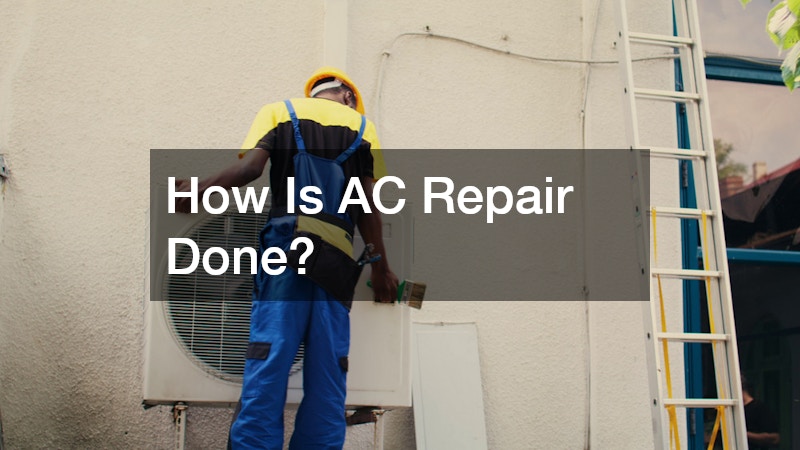
The first step in any AC repair involves a thorough inspection and accurate diagnosis by professional technicians. This step is critical to identifying the specific problems affecting the unit’s performance. Technicians carefully examine all components within the unit, utilizing tools and techniques to detect discrepancies that may not be apparent visually. They assess electrical connections and control operations, listening for abnormal sounds or observing any irregular behavior. By establishing a clear understanding of the issues, they can propose an effective and targeted repair plan, ensuring the accuracy and efficiency of subsequent actions.
This initial step not only identifies existing issues but also highlights potential areas of concern that could lead to future problems if not addressed promptly. Pinpointing underlying causes saves time and resources by preventing unnecessary repairs or overlooking critical components. For example, identifying a failing relay switch or compromised wiring might avert further cascading failures within the system. Such proactive, diagnostic approaches facilitate smoother repair processes and can often prevent upcoming system breakdowns. A meticulous and comprehensive inspection sets the foundation for an enduring repair solution.
After diagnosing the problem, technicians interpret their findings and communicate possible remedies to homeowners, allowing informed decision-making. Their transparency regarding repair options, timelines, and expected outcomes foster homeowner confidence and collaboration. Homeowners benefit from understanding the scope and nature of repair work before it commences, aligning expectations with results. This step ensures coordinated efforts between technicians and customers, improving satisfaction and ensuring efficient project completion. Accurate diagnosis and clear communication are thus keystone elements in successful AC repair operations.
2.2 Locating Leaks and Blockages
Identifying and resolving leaks or blockages is a pivotal step in repairing an air conditioning system, which often involves tracing refrigerant or airflow obstructions. Leaks may occur in joints or fittings if seals degrade over time, whereas blockages typically arise in ductwork from dust and debris accumulation. Professionally identifying such issues requires precise tools and inspection techniques, which the layman may not easily detect or rectify. Addressing these concerns promptly can restore the optimal efficiency of the cooling system and prevent further damage. Locating and fixing leaks and blockages are thus essential for reliable, cool comfort during warm weather.
Unresolved leaks in refrigerant lines can lead to diminished cooling capacity, increased utility bills, and potential environmental harm due to refrigerant escape. Likewise, persistent blockages in vents impede the balanced circulation of cool air throughout a room, creating hotspots or uneven temperature zones. Such problems, when not addressed, can strain the system, accelerating wear and the need for expensive repairs. Professional technicians use detection equipment to pinpoint refrigerant leaks and listen for airflow disruptions caused by blockages. Their expertise in handling these intricacies ensures more consistent comfort and climate control within living spaces.
Technicians frequently employ advanced detection tools to identify leaks internally, ensuring a comprehensive remedy is applied once located. Repair work often involves re-sealing connections or replacing damaged tubing that contributes to refrigerant loss. Meanwhile, blockages are usually resolved by cleaning or replacing air filters and unclogging air passages to restore unrestricted airflow. Through these corrective measures, the efficiency and functionality of the air conditioning system are revived. Such care and precision in locating and resolving leaks and blockages embody the specialty of professional repair services.
2.3 Compressor and Condenser Checks
A comprehensive check and maintenance of the compressor and condenser units are essential for a successful AC repair process. The compressor, being the heart of the AC unit, together with the condenser, is fundamental to the cooling cycle by managing refrigerant flow and heat exchange. Technicians inspect these components to ensure they function harmoniously and repair or replace any defective parts. These checks help prevent inefficiencies, as both parts must operate seamlessly to maintain the overall effectiveness of the unit. Addressing compressor or condenser issues timely may avert total system failure and costly replacements.
Problems with the compressor or condenser can lead to inconsistent cooling, noisier operation, and reduced energy efficiency of the AC system. For instance, a noisy compressor may indicate internal damage, while an inefficient condenser might reflect mechanical malfunction or debris obstruction. Left unchecked, these problems can escalate, leading to a deteriorating cooling capability that impacts user comfort significantly. Thorough evaluation and rectification by skilled technicians ensure these key components perform optimally, prolonging the system’s service life and maintaining its performance. Ensuring these components are well-maintained is crucial for any successful air conditioning repair.
During service, professionals conduct meticulous checks using appropriate diagnostic tools to measure electrical components and mechanical function. They check for pressures within operational ranges, mechanical wear, and signs of refrigerant leakages. Routine maintenance tasks may also involve cleaning coils and fins to prevent heat exchange inefficiencies. Technicians are equipped to handle any issues that may surface, ensuring the compressor and condenser work together efficiently. This service ensures cooling performance remains uncompromised, reflecting the importance of regular inspections in preserving system integrity and reliability.
2.4 Replacing Faulty Components
Over time, various components within an AC unit may become faulty due to regular wear and tear, necessitating replacement to restore full functionality. Any part showing signs of damage or diminished performance, such as capacitors, fans, or thermostats, must be addressed for the system to operate smoothly again. Timely replacement of these components helps prevent larger system failures, contributing to cost savings on extensive repairs or replacements. Professional services assess the state of these internal elements, offering lasting solutions that maintain overall operational efficiency. This proactive approach aligns with best practices to ensure the AC’s long-term utility.
The continuous operation of an AC unit under flawed conditions exerts additional stress on functional parts, increasing the risk of a breakdown. Allowing minor faults to go unresolved potentially accelerates system wear and necessitates larger interventions down the line. Replacement is often more viable and cost-effective when robust, newer parts ensure prolonged system efficiency and user confidence. Skilled technicians provide aid in choosing parts that match the system specifications, upholding the integrity of operations. Investing in quality replacements fortifies resilience, optimizing both current performance and future sustainability.
Technicians, upon identifying compromised components, follow a structured process for replacement, involving careful selection and installation of compatible parts. Their expertise guarantees not just thorough quality checks but also enhances the device’s reliability post-repair, ensuring smooth operation. Each replacement initiative is informed by detailed diagnostics and operational benchmarks, promising optimal compatibility and longevity. Using professional insights, the replacement of faulty components not only restores the system to optimal levels but can enhance its operational efficiency and environmental efficacy. Homeowners benefit from balanced comfort and productivity through these skilled interventions.
2.5 System Testing and Feedback
Following any repair activity, comprehensive system testing becomes a pivotal phase to ascertain the effectiveness of completed work. Technicians employ systematic checklists to gauge the unit’s operational efficiency, examining issues like cooling accuracy, soundness, airflow, and energy consumption. This phase guarantees that all concerns have been addressed completely and that the unit operates within requisite parameters. Any remaining discrepancies discovered during testing warrant further investigation to ensure total service efficacy, reaffirming the quality of repairs. At this stage, feedback from both technicians and users validates the repair integrity and performance improvements achieved.
By engaging in this critical phase, potential unnoticed issues may arise, offering a final opportunity to address any concerns prior to project completion. Such meticulous post-repair testing minimizes the probability of future malfunctions and imparts peace of mind to homeowners. Through concerted effort, technicians ensure consistent and reliable cooling performance that aligns with lived expectations. Users actively involved in this phase can provide immediate feedback or express new concerns, enhancing transparency and satisfaction with the service. Encouraging open dialogue adds value to the repair, empowering owners regarding their system operation.
Based on testing outcomes, technicians provide owners with professional observations, system reports, and any further maintenance advice needed to sustain operational efficiency. This transparent feedback serves to educate occupants on best use practices and warns against behaviors that may induce issues in future scenarios. Homeowners therefore gain insight into unit upkeep, proactively deterring subsequent problems arising from user neglect. Through this engagement, informed decision-making becomes feasible, emphasizing regular monitoring and judicious use. Completion of service therefore not only restores functioning but imbues broader preventative knowledge for users.
3. How Can Regular Maintenance Prevent AC Repairs?
3.1 Importance of Routine Inspections
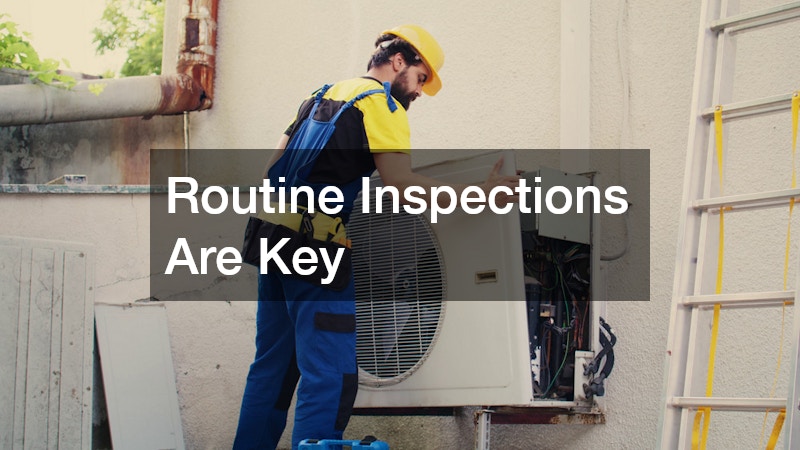
Engaging in routine inspections is an effective strategy to identify potential issues before they translate into significant repair work. Scheduling periodic assessments allows professionals to examine key components, ensuring they function optimally which can prevent malfunctions. These inspections also facilitate timely identification and correction of components nearing failure that, if ignored, could lead to costly and extended repairs. Regular equipment evaluations lead to early detection and eradication of minor issues, preserving system efficiency and minimizing downtime. The savings on energy costs and repair expenses due to regular maintenance justify its importance for all households.
Routine inspections often highlight hidden weaknesses or susceptibility within the system, informing users of potential trouble areas. For instance, worn belts or deteriorating coolant lines can be replaced before they hinder functionality, preventing deeper mechanical failures. Such preventive diligence effectively extends the lifespan of the AC system, fostering consistent performance during peak demands. Moreover, when system health is closely monitored, repair needs are less frequent and less severe, offering a more financially prudent approach. Ensuring routine evaluations remain integral to any comprehensive AC maintenance schedule that seeks to promote sustainability and conservation.